
A Winter's Tale
The biomechanics of cold, with apologies to Miss Smilla

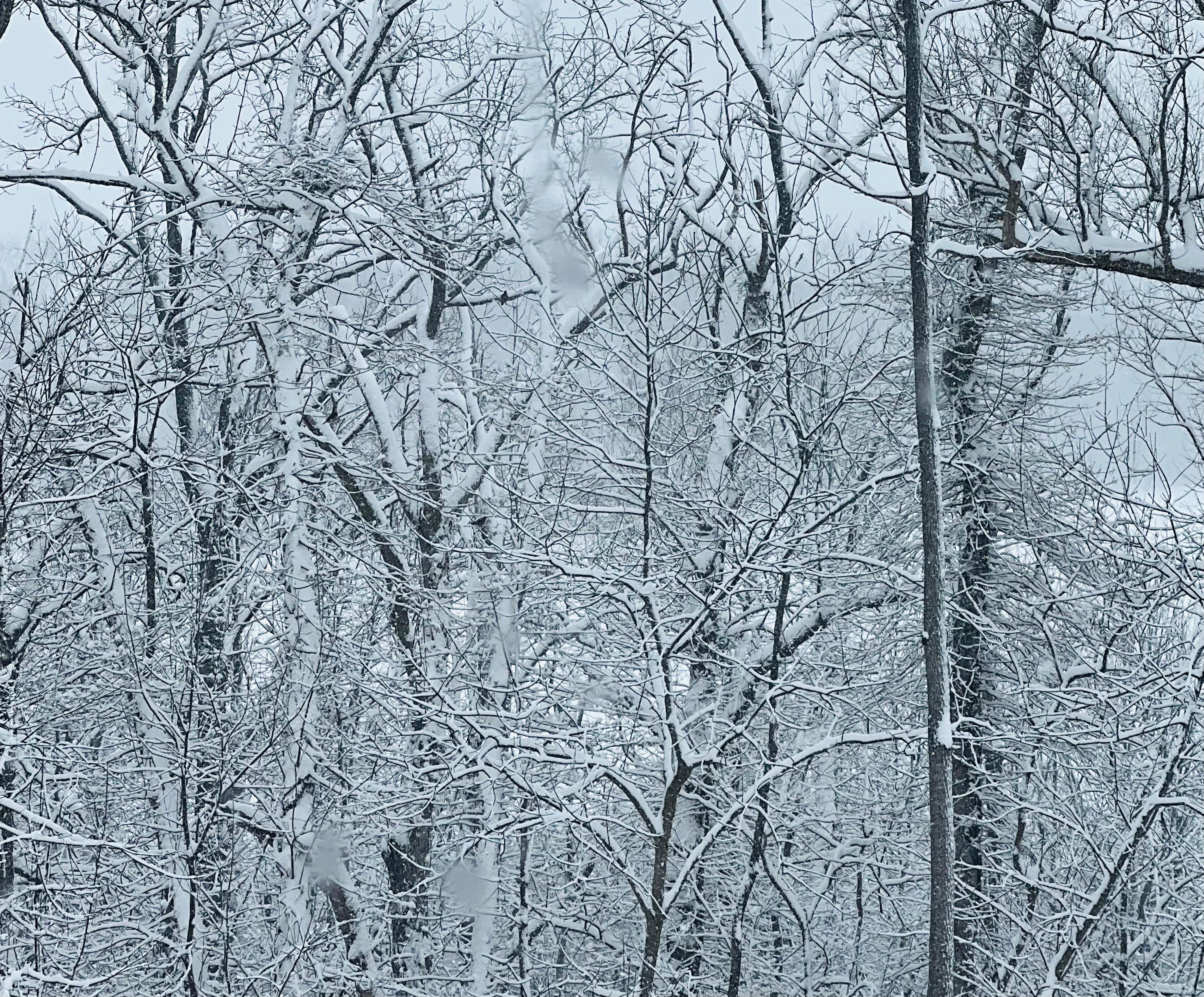
Living in the Northeast of the US means entering into a seasonal negotiation with winter. It is not optional or theoretical. It is an agreement you sign with your nervous system, your joints, your patience, your driveway, and sometimes your spirit.
I want to say something honest at the beginning. I do not like the cold. I never have, even though I grew up in Chicago, a very cold and snowy place in the winter. I love snow for a few days at Christmas, in the way I love a beautiful photograph or Christmas card. I admire it visually. I respect its artistry, but I do not want to live inside it for very long.
There is a moment after the first snowfall that still moves me. The Hudson Valley becomes quieter, almost reverent. The river disappears into a pale horizon. The light softens. Everything looks briefly forgiven. Snow has the extraordinary ability to make even the most ordinary street feel ceremonial. For a few days, I understand why people fall in love with it.
Then the temperature drops even further. The snow plows push the snow into piles that becomes ice. Everything becomes encrusted in salt, and layered with effort.
There are people who genuinely love the cold, and I am fascinated by them. They describe the clarity of the air, the invigoration, the bracing sharpness that makes them feel alert and alive. They ski before sunrise, and plunge into frozen lakes. They seem to welcome winter as a teacher.
I think often of Miss Smilla from Peter Høeg’s novel Smilla’s Sense of Snow. She understands snow as language. She reads its textures and histories the way a musician reads notation. Snow, for her, is not simply weather. It is memory, geography, and truth layered together. There is something deeply seductive about that relationship. The idea that a person could belong so completely to a climate that they learn to interpret it as meaning rather than inconvenience.

I admire that intimacy, but I do not share it. My relationship with winter is much more physical, and much less romantic. Winter, to me, is something the body must manage.
When the ground freezes, we brace. The shoulders rise slightly toward the ears. The breath shortens, the jaw tightens, the walk changes. We step differently when we are afraid of slipping. Our stride shortens. The foot lands more cautiously. The pelvis stiffens. The arms often move less freely, hovering in subtle readiness to catch a fall.
Bracing is exhausting. It is a sustained contraction without resolution. The nervous system never fully settles. The body is constantly scanning for danger in the form of black ice, uneven sidewalks, or frozen stairs. Even driving becomes a prolonged state of vigilance. We are, quite literally, holding ourselves together against the possibility of falling apart.
As someone who spends a great deal of time watching bodies move, winter fascinates me because it reveals how quickly fear reorganizes our biomechanics. By February, I see it everywhere. Clients arrive carrying winter in their tissues. The fatigue they describe is not only emotional or seasonal. It is muscular. It is neurological. The body has been preparing for impact for months.
Cold itself also demands energy. The body burns fuel to maintain temperature. Circulation shifts toward protecting vital organs. Hands and feet become distant outposts rather than fully inhabited places. Movement becomes more effortful. We do not always notice how much additional work we are doing simply to exist in these temperatures.
And of course, there is also a psychological landscape to winter that is harder to name. The days shorten. The sky flattens. For those of us who are sensitive to light, mood, or rhythm, winter can feel like living inside a long held breath.
Perhaps that is part of why some people love it. Winter insists on a different tempo. It demands that we slow down. It teaches caution, and rewards preparation. It punishes carelessness. There is something morally clean about it, even if it is physically demanding.
But I am tired of it now.
I am tired of layering clothing like armor. I am tired of calculating every step on my own driveway. I am tired of the way my body subtly contracts the moment I step outside. I am tired of shoveling snow and schlepping firewood. I long for the return of ease, for walking without strategy, for breath that invites expansion rather than containment.
There is, I think, a deeper metaphor here about the climates we live inside emotionally. Some of us grow up in environments that require constant bracing. We learn to move carefully, to anticipate danger, to conserve warmth. We become skilled at survival, but survival is not the same as ease.
Spring, when it finally arrives in the Northeast, feels less like a season and more like permission. Permission to lengthen. Permission to soften. Permission to trust the ground again.
Until then, I watch the snow. I acknowledge its beauty and move carefully across it. I am reminded to listen, both to the weather outside and to the quieter weather inside my own body, noticing where I am still bracing, and where, even in winter, I might allow myself to release.
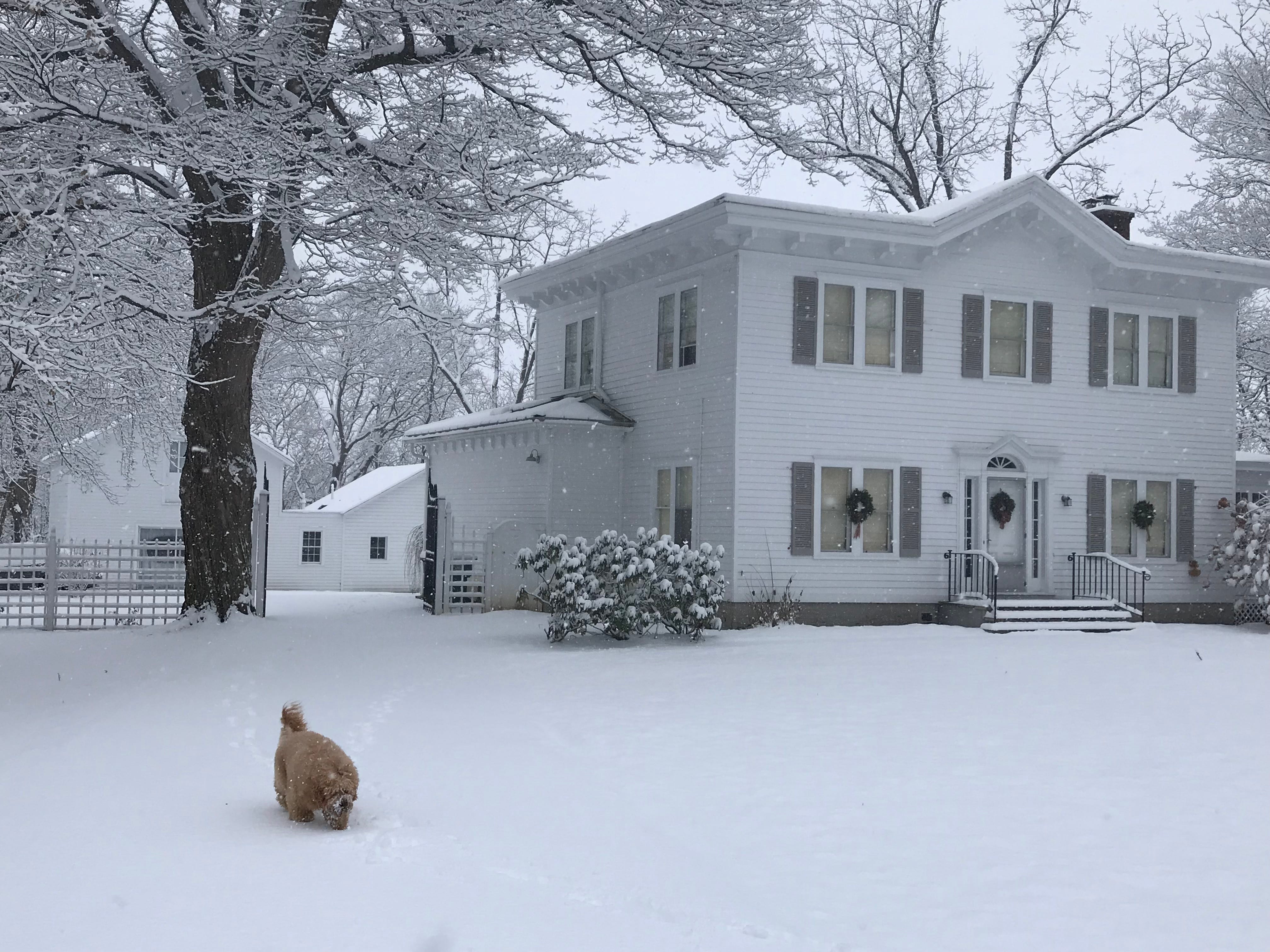
If snow moves something in you, I would love to hear in the comments. I am here to listen.
Such a beautifully embodied essay. I read it & felt it & recognized it all at once.
Same!