
The Soft Opening
Finding calm in an unsettled world

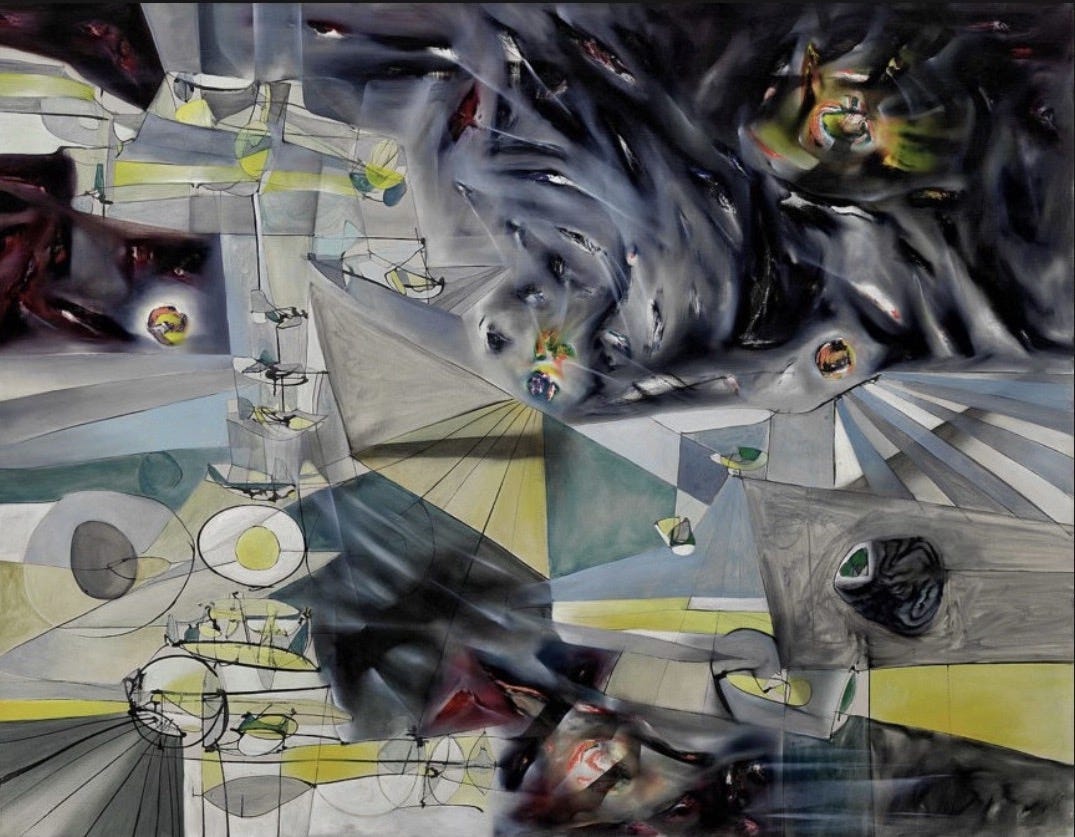
Not long ago, during a routine visit to my doctor’s office, I was asked a question that has become standard in medical forms. Do you feel safe at home?
I have always appreciated that question. It acknowledges something important, that safety is not a given for everyone. I know I am fortunate to answer yes.
But lately I have found myself thinking about that question in a different way. Yes, I feel safe at home, but what happens when the feeling of safety ends the moment I step outside the door? What happens when the nervous system begins to brace itself not against a specific threat, but against the general atmosphere of the world?
It is a strange thing to realize that the body may no longer experience the outside world as a place where it can easily soften. And once you notice that, you begin to understand something about the nervous system.
People talk a lot these days about “regulating the nervous system,” as if it were a thermostat you could simply turn down. Breathe here, tap there, take a warm bath, calm achieved.
I understand the impulse. Life feels fast, uncertain, loud, and even scary. Everyone is searching for a way to quiet the restless hum that seems to live somewhere in the chest. But the nervous system is not a machine. It is something older than that, something patient and watchful that learned its language long before we had words for it.
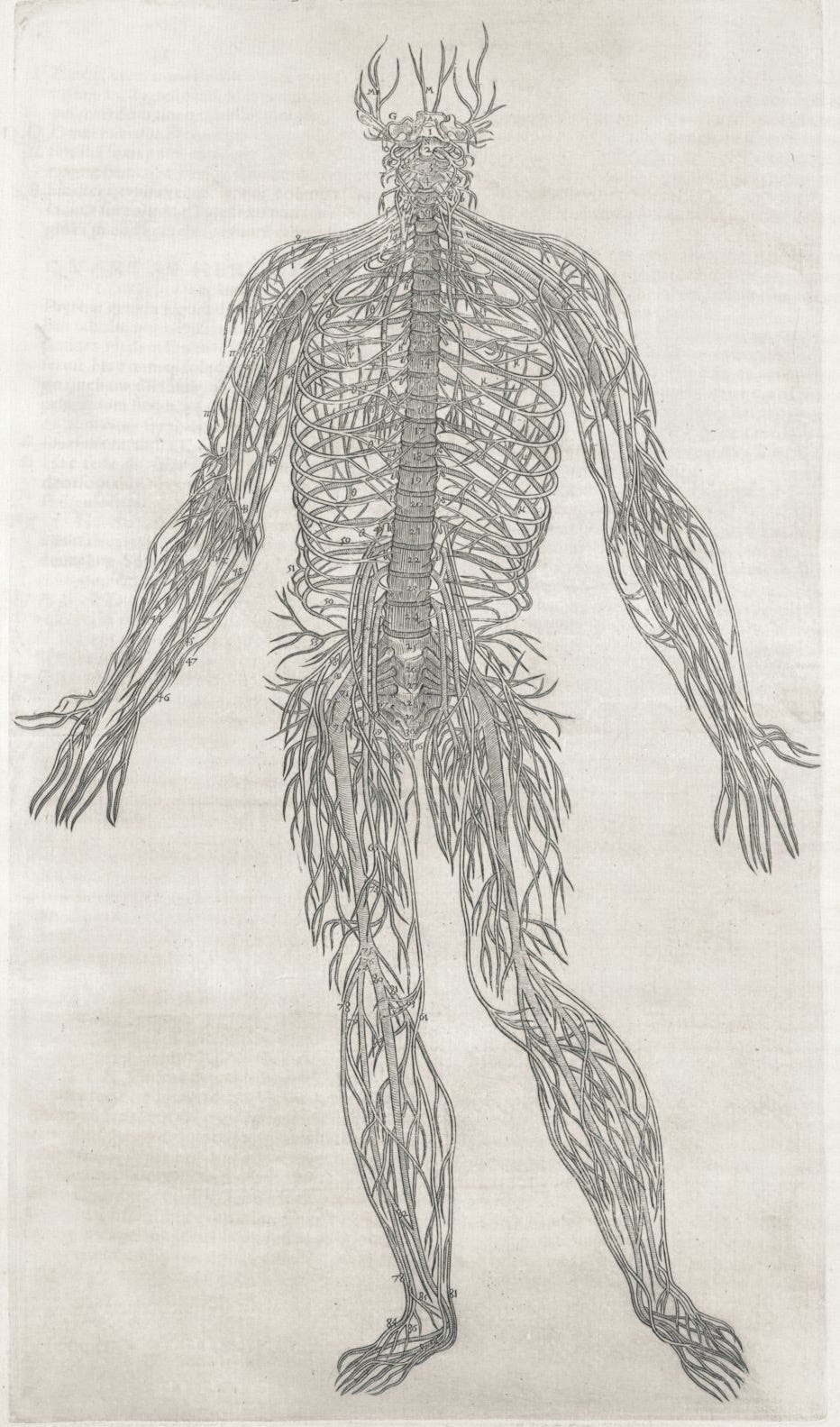
I see this every day in the studio. A person walks in carrying a story in their shoulders. Another holds their breath without realizing it. Someone else laughs easily but cannot lie still for thirty seconds without shifting or checking their phone. None of them are doing anything wrong. Their bodies are simply doing what bodies do. They are protecting, anticipating, remembering.
The nervous system is a historian. It keeps a quiet record of every experience we have lived through. Moments of safety, moments of threat. All of it settles somewhere in the tissues and breath of the body. That is why regulation is not something you impose. It is something you invite.
Often the invitation is very simple. When someone lies down on the reformer and I say, “Take a breath,” I am not asking them to perform relaxation. I am asking them to notice something they may not have felt all day. The movement of air. The quiet widening of the ribs. The way the spine lengthens when the body believes, even briefly, that it no longer has to brace against the world.
The shift is almost always subtle. A deeper breath, a shoulder softening, the smallest sigh. Nothing dramatic happens, yet something inside reorganizes itself. The nervous system loosens its grip just a little, and the body remembers that it knows how to settle.
If you want to try something simple, pause for a moment wherever you are. Place one hand on your chest and the other just below your ribs. Take a slow breath in through your nose and let the air travel down toward the lower hand. Then exhale through your mouth. Do this three times, without forcing anything, simply noticing what moves beneath your hands. Sometimes the most powerful signal we can send the nervous system is not control, but attention.
That quiet attention is often where the body begins to find its way back to itself, remembering what it knew before the world became so loud.
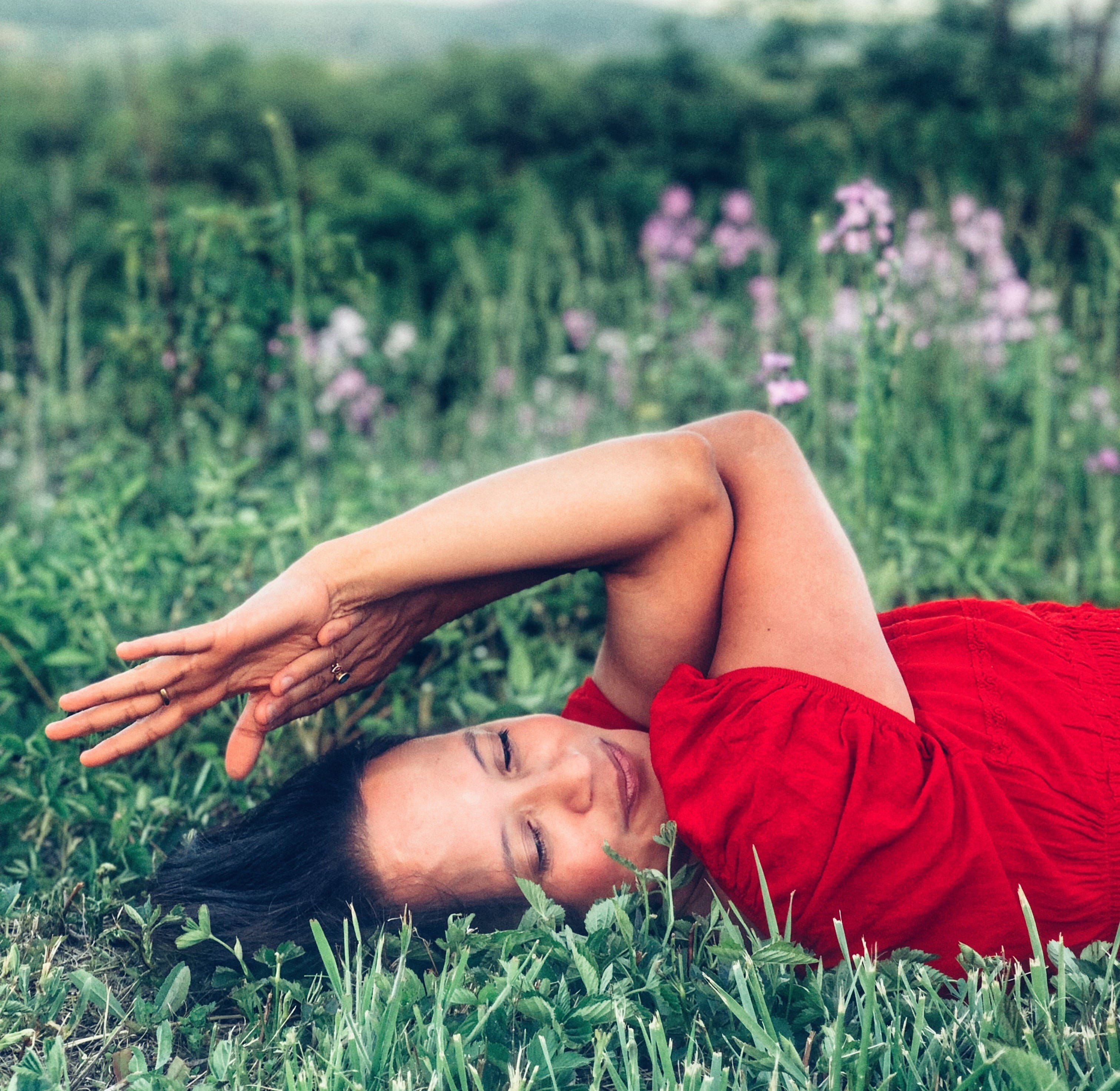
I’d love to hear in the comments what helps you find your way back to a steadier place. I am quietly listening.
An invitation ❤️
Very insightful and useful to me - thank you!